


Blepharoplasty Surgery
REQUEST A CALL BACK!
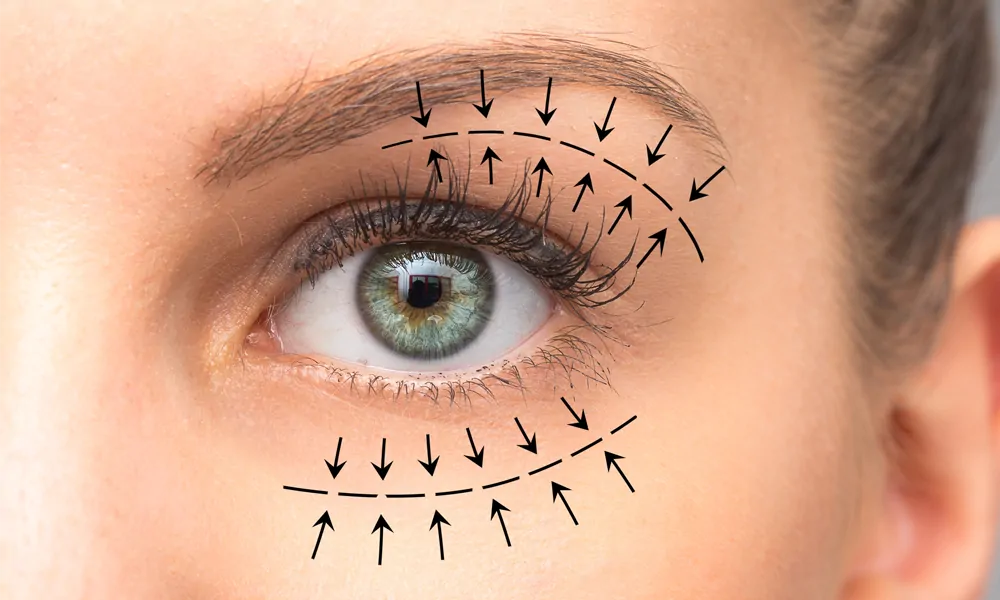
Blepharoplasty surgery is an eyelid lift procedure. Commonly known as eyelid surgery, this cosmetic procedure can help you achieve a dynamic and aesthetic appearance in the eye area, one of the areas that most affects your aesthetic appearance. To gain a more comprehensive understanding of this highly advantageous cosmetic surgery offering minimal risks, it is necessary to learn about the methods used, who is suitable for the procedure, and its risks. Let’s take a look at the important details regarding this transformative procedure together.
What is Blepharoplasty Surgery?
Blepharoplasty surgery is an aesthetic procedure performed on the eyelids. This operation, which can be performed in two different ways, lower blepharoplasty and upper blepharoplasty, aims to remove excess and sagging skin and other tissues in the eyelid area. The removal of these tissues and various medical interventions to create tension in the area, as can be seen from evidence such as blepharoplasty before and after photos, ensures an aesthetic appearance in the eyelid area. To understand what this procedure is, it is also necessary to look at the methods used in this operation.
What Methods Are Used for Blepharoplasty Surgery?
The methods used may vary depending on the type of operation. Eyelid aesthetics can, of course, be applied to both the upper and lower eyelids. There are differences between upper blepharoplasty and lower blepharoplasty in terms of the methods used and the desired effects. There are several main methods used for this cosmetic procedure.
The external incision method, known as the transcutaneous approach, and the scarless method, known as the transconjunctival approach, are generally used for lower eyelid procedures. Classic incision methods are generally used for the upper eyelid. In classic incision methods used in upper blepharoplasty surgeries, the incision site is aligned with the crease of the eyelid, preventing any visible scarring after the operation. In transcutaneous and transconjunctival approaches, incisions are made in areas such as the lash line and the inner part of the lower eyelid. These methods also offer the advantage of leaving no unsightly scars. However, as they are more complex methods, they are specifically suited to certain problems and patient profiles.
Who is Blepharoplasty Surgery Suitable For?
This procedure is an effective solution for those who complain of eyelid bags and drooping eyelids. It is often preferred by individuals over the age of 40-50 who experience this problem in their eyes. However, due to trauma, infection, excessive alcohol and cigarette use, or genetic structure, this cosmetic surgery may also be necessary at younger ages. Individuals who are suitable candidates for cosmetic eyelid surgery can be summarized in a few points.
- Those experiencing drooping eyelids due to advanced age.
- Those over the age of 18 whose health conditions are suitable for the procedure. However, for specialists, the ideal age limit for eyelid aesthetics is 45.
- Those whose eyelids droop to the point of impairing vision due to accidents, trauma, infection, etc.
- Individuals who complain of drooping eyelids and under-eye bags.
How is Blepharoplasty Surgery Performed?
How the procedure is performed may vary depending on the situation. However, in general, the operation is performed using local anesthesia. With local anesthesia, numbness is achieved in the eye area, allowing the individual to achieve an aesthetic eye appearance with minimal intervention, avoiding the risks of general anesthesia. The surgical methods preferred and the general procedure may vary between upper blepharoplasty and lower blepharoplasty.
When it comes to upper eyelid procedures, an incision is generally made in the creased area, known as the eye line. Through this incision, excess tissue that causes the upper eyelid to sag and look unattractive is removed. The operation is completed after a taut appearance is achieved through fine stitches.
In lower eyelid surgery, the external incision method, known as the transcutaneous approach, and the transconjunctival approach are generally preferred. Thanks to these methods, it is possible to improve the appearance by making incisions in areas such as the lash line and removing excess tissue or distributing the excess tissue.
How Long Does Blepharoplasty Surgery Take?
The duration of the procedure depends on the situation and various factors. In some cases, upper and lower procedures are performed together, which can double the average operation time. In addition, factors such as the degree of drooping of the individual’s eyelids and the condition of the bags under the eyes are among the main factors affecting the duration. However, in general, the operation is completed within a few hours.
Will I Feel Pain During Blepharoplasty Surgery?
It is highly unlikely that you will feel pain during the procedure. These operations are performed under anesthesia. Therefore, it is impossible for you to feel anything, including pain, during the operation. However, although not during the procedure itself, you may experience minimal pain and discomfort afterward.
What Are the Advantages of Blepharoplasty Surgery?
This cosmetic procedure offers advantages in many different ways. The advantages can be listed under several headings.
Achieving a Younger and More Refreshed Appearance
One of the biggest advantages of this eyelid surgery is that it gives individuals a younger and fresher appearance. This aesthetic procedure is usually performed on individuals over the age of 40-45. The main reason for this is that individuals over the age of 40-45 experience a dramatic aging effect, leading to problems such as sagging, especially in the highly sensitive eyelid area. The procedure offers the advantage of achieving a younger and fresher appearance by eliminating problems such as drooping eyelids that cause individuals to look older.
Achieving a Balanced Appearance
Although many people are unaware of it, the basic rule for achieving an aesthetic appearance is to achieve proportion. The eye area helps achieve proportion throughout the face, especially the upper face. Individuals with congenital drooping eyelids and under-eye bags due to factors such as genetic influences can benefit from the procedure’s advantage of bringing the face closer to the golden ratio.
Elimination of Vision Problems
Although it may sound surprising, eyelid surgery is beneficial not only from an aesthetic point of view but also in terms of vision function. Individuals with extreme eyelid drooping, in particular, may experience vision problems due to their low eyelids. When the sagging skin tissue causing these problems is removed and the eyelids are tightened, the field of vision widens and various vision problems can be eliminated.

What Are the Risks and Possible Complications of Blepharoplasty Surgery?
The risks and possible complications generally stem from incorrect interventions and incorrect behavior after the operation. The procedure can be performed with minimal risks by a doctor who specializes in this field. However, although the chances are low, it is possible to encounter complications such as extreme drooping of the eyelid, loss of symmetry, or inability to close the eyelid as a result of the operation. For this reason, you should choose reliable healthcare institutions such as Vega Health Agency for your eyelid surgery.
Preparation Process Before Blepharoplasty Surgery
There are certain things that need to be done as part of the preparation process before the procedure. The preparations to be made before both lower and upper blepharoplasty surgery can be explained under several headings.
Blepharoplasty Surgery Examination Process
You must undergo a comprehensive examination before the operation. During the examination, the plastic surgeon will be able to obtain comprehensive information about the degree of drooping of your eyelids, your aesthetic needs in the eye area, and the selection of methods that are suitable for you.
Blepharoplasty Surgery Tests
Although this is a minimal aesthetic procedure, certain tests must be performed before the operation. These tests include blood sugar measurement and blood clotting tests. This allows the individual to be assessed as a suitable candidate for the procedure.
Blepharoplasty Surgery Post-Operative Recovery Process and Care
To ensure a smooth recovery process after the operation, it is necessary to pay attention to certain care recommendations. These care recommendations can be explained under specific headings, such as things to pay attention to during the first 3 months.
The First 3 Months After Blepharoplasty Surgery
The first 3 months after the procedure are a very sensitive period. The eye area and the tissues in this region are among the most sensitive tissues in the human body. Therefore, extreme caution is required after this eyelid surgery. During the first 3 months, you should act carefully, knowing that the area is sensitive, prone to infection, and has not yet fully recovered.
What Should Be Considered After Blepharoplasty Surgery?
The following points should be considered after the operation:
- Protecting the eye area from harmful factors such as sunlight and dust,
- Keeping the head elevated,
- Protecting the eye area from blows and excessive pressure,
- Applying cold compresses for 15–20 minutes,
- Using medications such as antibiotic eye drops and ointments,
- Avoiding makeup, especially eye makeup, for at least a few months.
When Should I Contact My Doctor After Blepharoplasty Surgery?
Some situations that may occur after the procedure may indicate that various complications have arisen and that you need to contact your doctor. In particular, if you experience vision problems, bleeding in the eyelids, or extreme swelling and asymmetry, you need to contact your doctor without delay.
Frequently Asked Questions
What is the cost of blepharoplasty surgery?
The blepharoplasty cost may vary depending on the situation. The main factor determining the total expense is the cost of the operation itself. Factors such as the level of experience of the plastic surgeon performing the surgery, the degree of drooping of the patient’s eyelids, and the facilities of the healthcare institution where the operation will be performed determine the blepharoplasty cost and thus the total expense. Therefore, you need to contact a healthcare institution to obtain accurate information on the pricing.
What should be considered before and after blepharoplasty?
There are certain things to consider before and after the procedure. As with any surgery, the most important considerations beforehand include avoiding blood-thinning medications, alcohol, and smoking prior to the surgical procedure. After the operation, it is generally important to protect the eye area, use certain medications to prevent conditions such as dry eyes and infection, and avoid certain situations. However, in some cases, the precautions to be taken may vary depending on the patient’s general health condition.
Are blepharoplasty and brow lift procedures related?
This eyelid procedure and brow lift are two related cosmetic procedures. However, blepharoplasty is not performed for the purpose of lifting the brow, but rather for purposes such as lifting the eyelid and removing eye bags. Therefore, for a brow lift, one should resort to brow lift methods rather than eyelid surgery. Upper blepharoplasty surgery, i.e., procedures performed on the upper eyelid, may cause minimal tightness in the brow area, but it is not sufficient to lift the brow and achieve a completely aesthetic, dynamic, and attractive appearance in the brow area. For all these reasons, many plastic surgeons recommend combining these procedures with brow lift methods.
Is anesthesia required for blepharoplasty surgery?
Anesthesia may be required for the procedure. In many cases, it is recommended that the operation be performed under local anesthesia because the procedures to be performed are low-risk and minimal interventions. However, depending on the situation, the surgery can also be performed under general anesthesia. Eyelid surgery performed under general anesthesia is usually performed in cases of extreme drooping, and general anesthesia is used for extensive procedures. The type of anesthesia used can be determined with the approval of the doctor, based on factors such as the patient’s general health and personal requests.
Does blepharoplasty change the shape of the eyes?
This procedure can change the shape of the eyes. However, these operations generally offer a change in the eyes to help individuals regain the shape of their eyes that they have lost due to factors such as drooping eyelids. For example, it is not possible for an individual who aims to have almond-shaped eyes and has generally slanted eyes to completely change the shape of their eyes with this procedure. However, getting rid of problems such as drooping eyelids can help partially change the shape of the eyes. Therefore, you should view the operation not as a procedure that will completely change the shape of your eyes, but as one that will restore your natural eye shape and improve the shape of your eyes.
Does blepharoplasty surgery leave scars?
The procedure may leave scars. The tissues around the eyes are very sensitive, and it is almost inevitable that scars will form as a result of incisions made in these areas. However, plastic surgeons who perform this operation generally aim to achieve an aesthetic appearance for individuals after eyelid surgery, so they make incisions in areas that are not very visible, such as the crease of the eyelid, during the procedure. Making incisions in these types of areas and ensuring that scars are only in these invisible areas prevents individuals from experiencing any problems due to the scars that will occur after the operation.