


EYE TREATMENTS
Your eyes allow you to see everything in your life. Vision problems can interfere with your daily life and even endanger your safety. Eye treatment improves your eyesight and improves your quality of life by eliminating these problems. Are you ready to improve your quality of life?
Laser Eye Surgery
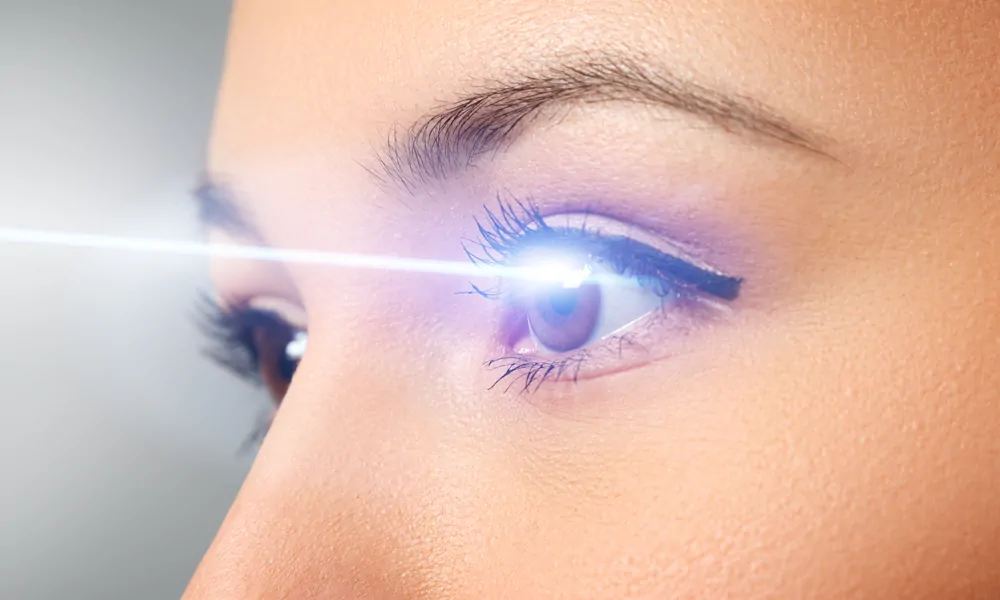
Laser Eye Surgery is a type of UV laser with a wavelength of 193 nm, which is obtained as a result of electrical excitation of the argon-fluoride gas mixture. It has been actively used in the treatment of refractive errors such as myopia, astigmatism and hyperopia for nearly 30 years all over the world.
Smart Lens
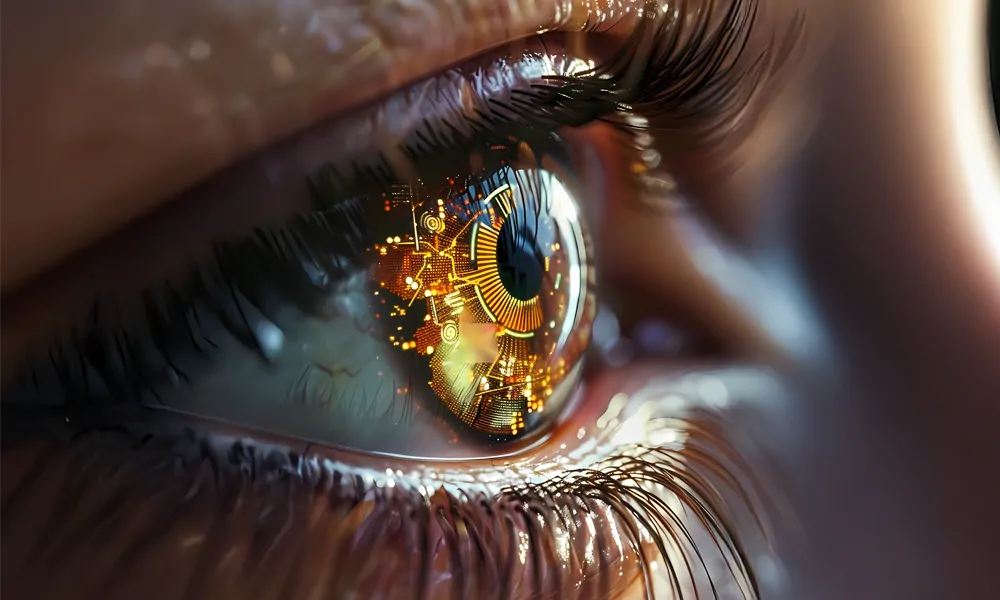
It is recommended for patients who do not want to use glasses but are not suitable for laser treatment. The operation is completed by removing the natural lens that has lost its transparency and attaching the most suitable smart lens to the patient. In this way, the eye regains the quality of vision.
Retina Treatments
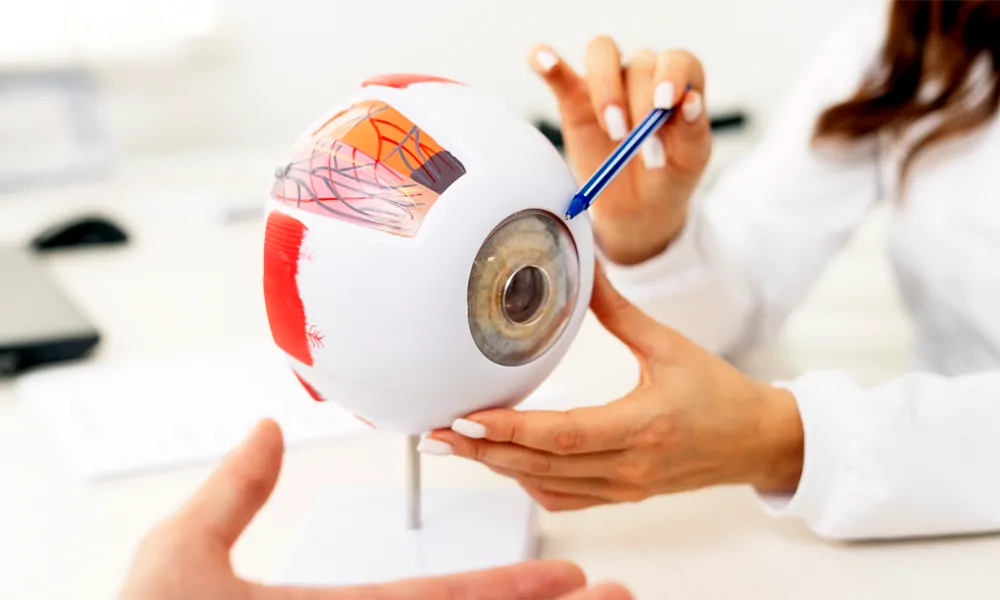
The retina is the network layer that covers the posterior wall of the eyeball like a wallpaper and consists of visual cells. At the same time, the retina consists of 10 layers in itself. Problems that occur in the retina are not an eye disorder, but an eye condition. Early diagnosis is very important at this point.
Blepharoplasty Surgery
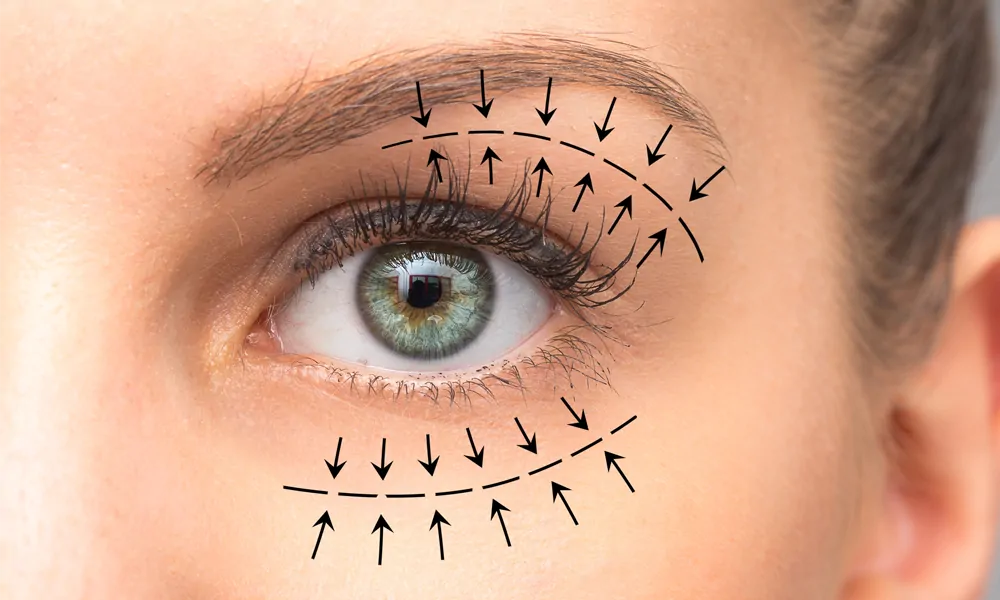
Blepharoplasty (BLEF-uh-roe-plas-tee) is a type of surgery that removes excess skin from the eyelids. With age, eyelids stretch, and the muscles supporting them weaken. As a result, excess skin and fat can gather above and below your eyelids. This can cause sagging eyebrows, droopy upper lids and bags under the eyes.
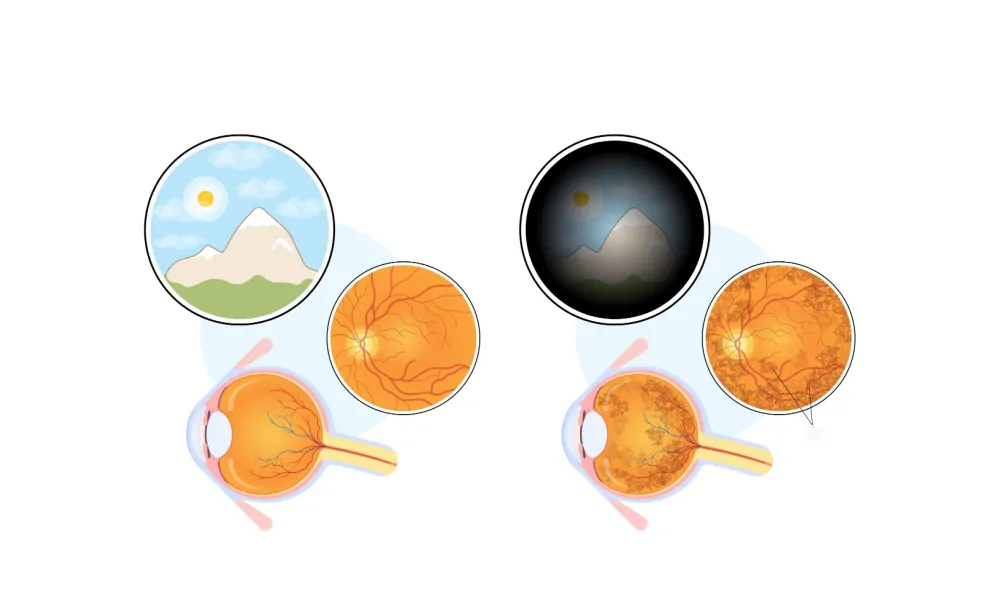
Retinitis Pigmentosa
Retinitis pigmentosa, which develops due to damage to the retina that allows the eye to perceive light, is also known as night blindness. This eye disease, which is more common in men than in women, varies in age from person to person.

Cataract Surgery
Cataract, caused by clouding of the eye’s natural lens, leads to blurred vision and light sensitivity. This common condition usually occurs with aging and can be treated effectively with surgery.

Glaucoma Treatment and Surgery
Glaucoma is a serious eye condition where increased internal pressure damages the optic nerve, potentially leading to irreversible vision loss. Regular monitoring, early treatment, and specialized surgery offered by dedicated eye clinics are crucial for preserving sight.

Lacrimal Duct Surgery (Dacryocystorhinostomy)
Lacrimal duct surgery, known as dacryocystorhinostomy (DCR), is performed to treat tear duct blockages that cause excessive tearing and infections. By creating a new passage between the tear sac and nasal cavity, it restores normal tear drainage and provides lasting relief and comfort.

Strabismus and Children’s Eye Health
Strabismus occurs when a child’s eyes are misaligned — one or both may turn inward, outward, up or down. This condition not only affects binocular vision and depth perception but can lead to amblyopia (lazy eye) if not treated early, making prompt diagnosis and management essential.

Macular Hole Surgery
Vitrectomy and macular hole surgery are performed to remove the eye’s vitreous gel and repair damage in the central retina. This procedure helps restore vision clarity, reduce visual distortion, and prevent further retinal complications, offering a significant improvement in sight quality.

Rayner Galaxy Intraocular Lens
The Rayner “Galaxy” intraocular lens uses AI-designed spiral optics to deliver a continuous range of vision without sacrificing brightness. Its non-diffractive design reduces light loss and visual disturbances, offering outstanding clarity across near, intermediate and distance viewing.

Keratoconus Treatment
Keratoconus causes the cornea to thin and bulge, leading to blurred and distorted vision. Corneal cross-linking strengthens the cornea with UV-A light and riboflavin to slow or stop progression.